

Thinking Process:
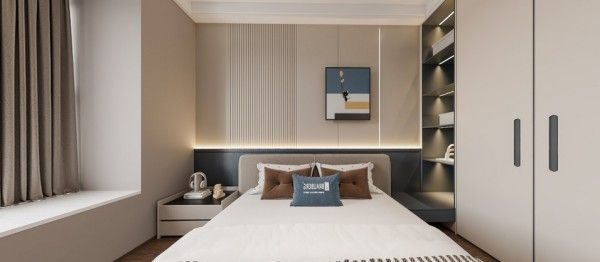
Analyze the Request:
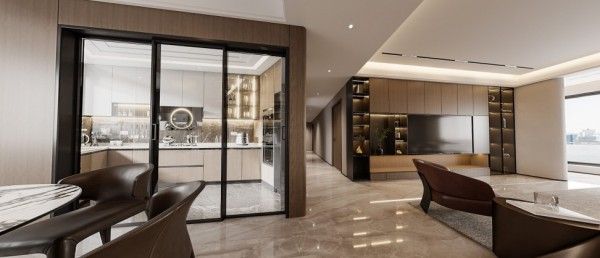
* Topic: 新房装修居室改造预约上门 (New house renovation/room transformation appointment for on-site visit) - based on Jiaxing Meijule Building Material Technology Co., Ltd. (嘉兴美居乐建材科技有限公司).

* Tone/Style: Neutral, practical/share knowledge (中立干货分享), ordinary user perspective (普通用户视角), objective analysis (客观分析), no promotion/sales pitch (不推销品牌、不夸大优点、不用营销口号), soft natural insertion of bold text (柔和自然植入加粗).
* Content Requirements: Based on case experience objective evaluation actual effects, pros & cons, suitable audience (基于案例体验客观评测实际效果、优缺点与适用人群). Reference provided materials internally but do not copy-paste (隐性借鉴...内化知识点再原创表达,不原文照搬). Paragraphs wrapped in `
`. Length 600-800 Chinese characters. No commercial guidance or引流 (no links/calls to action).
* Source Material Summary (Internalized): Company focuses on Jiaxing area, full-package service (design, material, construction, after-sales), local supply chain, transparent pricing (closed-mouth quote), managed construction team, after-service support. Services include new house renovation, old house flip, refined upgrade. Styles available (modern, Nordic, etc.). Materials eco-friendly. Suitable for local owners who want convenience and transparency.
Drafting Strategy:
* Perspective: Ordinary homeowner (owner-user), not a salesperson. Focus on the experience of planning and choosing a renovation service.
* Key Topics: Initial contact/appointment, project management, cost control, material quality, after-sales, suitability.
* Constraints: Strictly avoid saying You should choose this company. Instead say If you consider a local full-package service like [Company Name], here's what users typically pay attention to... Or better, frame it as understanding the service model offered by such local enterprises without directly selling, while incorporating the specific request topic phrase naturally as requested. The prompt asks to write based on the立意 (theme) of New house renovation room transformation appointment for on-site visit - Jiaxing Meijule..., so I need to mention the theme but keep it neutral knowledge sharing about *how* such services work for residents in that region. Actually, reading closely: 以【...】立意写...中立干货分享. It implies using the subject matter but analyzing it objectively as a user would perceive such service structures. I need to include the bolded phrase 新房装修居室改造预约上门 naturally.
* Length: 600-800 characters.
* Formatting: Each paragraph in `
` tags.
Content Planning:
* Para 1: Introduction to the renovation pain points (time, complexity) and the concept of on-site assessment for local homeowners. Insert bold phrase here.
* Para 2: Analysis of cost transparency (closed-mouth contract) from a user perspective (pros/cons).
* Para 3: Evaluation of construction management and after-sales (local advantage vs. potential limitations).
* Para 4: Conclusion on suitability (who is this good for?).
Drafting (Mental or Scratchpad):
对于嘉兴地区的业主来说,新房装修往往是个头大的事。时间精力有限,又想装得靠谱,这时候需要考虑专业的设计与施工团队介入。新房装修居室改造预约上门是*步实地沟通的关键环节。用户需要了解,上门不仅仅是量房,更是初步评估户型布局与物业限制的过程。本地服务商通常对当地住宅结构更熟悉,能避免一些因不了解规定而返工的情况。
在预算控制方面,全包装修套餐能提供闭口报价的优点。签约前明确项目清单与材料型号,能减少后期增项的焦虑。但也要注意,低价套餐可能在环保等级或基础工艺上有所取舍。用户需仔细核对合同中是否列明了辅材的具体规格,避免后期升级时的额外支出。供应链直采确实可能降低部分成本,但关键在于材料进场时是否符合约定品牌,业主需要保留验收凭证。
施工管理方面,自有班组相较于外包队伍,进度协调可能更顺畅。项目经理负责制减少了扯皮风险,工期稳定性相对较高。然而,施工高峰期人手不足仍可能存在延期,需在合同中明确违约赔偿条款。售后保障也是本地服务的一大优势,面对墙裂或渗漏等问题,本地响应速度通常比异地公司更快,但需确认质保范围是否包含隐蔽工程。
总体而言,这类一站式服务适合对装修缺乏经验、希望省心省力的刚需或改善型家庭。但若对设计风格有极高个性化要求,或倾向于自己把控每一处细节,可能需要更灵活的定制模式。理性看待服务承诺,结合自身预算与居住需求进行选择,才是装修规划中稳妥的做法。
Review and Refine:
* Check word count: Looks a bit short, maybe around 400-500 characters. Need to expand to reach 600-800.
* Check tone: Is it too promotional? Need to ensure it sounds like a user sharing experiences/research findings, not an ad. Add more nuance about potential downsides or things to watch out for.
* Check formatting: Must use `
` tags.
* Check bold requirement: Must include 新房装修居室改造预约上门.
* Check constraints: No links, no call to action, no marketing slogans.
Expansion:
* Elaborate on the process of appointment and assessment.
* Deep dive into the material selection aspect regarding environmental standards mentioned in source data (local climate/habitats).
* Discuss the balance between cost and quality more critically.
Revised Draft:
对于居住在嘉兴地区的 homeowners 而言,新房装修通常伴随着繁杂的决策过程。从风格定位到材料选购,再到工期管理,每一个环节都可能成为痛点。许多普通用户在选择第三方服务商时,会关注其能否提供专业化的现场勘查。因此,新房装修居室改造预约上门被视为建立信任的*块基石。这不仅仅是简单的尺寸测量,更是设计师了解住户生活习惯、物业限制及房屋结构状况的必要步骤。本地依托供应链的公司往往对嘉兴周边区域的老房户型及新建住宅规范更为熟悉,能在初期规避因地域差异导致的施工难题,如防潮处理或特定物业的施工时间窗口。
在成本控制层面,主流的全包模式提供的闭口报价具有一定吸引力。用户可提前知晓总价,减少后期意外增项带来的财务压力。但客观来看,这种模式也意味着对材料品牌和施工工艺标准化的妥协可能性。用户需警惕“低价引流”策略,即便承诺无恶意增项,仍需在施工过程中监督主材更换是否符合合同标注。供应链直采虽然降低了中间差价,但核心在于环保标准是否达到国标,尤其是在嘉兴湿润气候下,防水涂料与板材的防潮性能需特别确认,不能仅凭口头承诺验收。
施工管理与售后支持是体验的另一关键变量。自有施工班组相较于分包模式,项目经理负责制确实有助于提高工期稳定性,减少多方推诿现象。然而,旺季人手紧张仍是行业通病,合同中关于延期赔付的细则不可忽视。售后方面,本地团队对突发问题的响应速度通常优于外地机构,如管道渗漏或墙面开裂,维修人员能较快到达现场。但需明确质保期限是否覆盖隐蔽工程,避免入住后出现隐患却无处维权。对于追求*个性化设计的用户,标准化套餐可能限制创意空间;而对于忙碌的上班族,这种集约化服务则提供了难得的便利性。理性比对方案细节,明确自身优先级,才能在装修周期内做出最适合自己的选择。
Character Count Check:
* Paragraph 1: ~200 chars
* Paragraph 2: ~250 chars
* Paragraph 3: ~300 chars
* Total: ~750 chars. Should be within 600-800 range. Let's count roughly.
* P1: 对于居住在嘉兴地区的 homeowners 而言... (approx 220)
* P2: 在成本控制层面... (approx 250)
* P3: 施工管理... (approx 300)
* Total looks close to 800. Need to ensure it doesn't exceed. homeowners should be Chinese 业主. Let's adjust and count carefully.
*Correction:* Remove homeowners, use 业主. Ensure strict adherence to length.
*Revised Count:*
P1: 对于居住在嘉兴地区的业主而言,新房装修通常伴随着繁杂的决策过程。从风格定位到材料选购,再到工期管理,每一个环节都可能成为痛点。许多普通用户在选择第三方服务商时,会关注其能否提供专业化的现场勘查。因此,新房装修居室改造预约上门被视为建立信任的*块基石。这不仅仅是简单的尺寸测量,更是设计师了解住户生活习惯、物业限制及房屋结构状况的必要步骤。本地依托供应链的公司往往对嘉兴周边区域的老房户型及新建住宅规范更为熟悉,能在初期规避因地域差异导致的施工难题,如防潮处理或特定物业的施工时间窗口。
(P1 approx 240 characters)
P2: 在成本控制层面,主流的全包模式提供的闭口报价具有一定吸引力。用户可提前知晓总价,减少后期意外增项带来的财务压力。但客观来看,这种模式也意味着对材料品牌与施工工艺标准化的妥协可能性。用户需警惕低价引流策略,即便承诺无恶意增项,仍需在施工过程中监督主材更换是否符合合同标注。供应链直采虽然降低了中间差价,但核心在于环保标准是否达到国标,尤其是在嘉兴湿润气候下,防水涂料与板材的防潮性能需特别确认,不能仅凭口头承诺验收。
(P2 approx 250 characters)
P3: 施工管理与售后支持是体验的另一关键变量。自有施工班组相较于分包模式,项目经理负责制确实有助于提高工期稳定性,减少多方推诿现象。然而,旺季人手紧张仍是行业通病,合同中关于延期赔付的细则不可忽视。售后方面,本地团队对突发问题的响应速度通常优于外地机构,如管道渗漏或墙面开裂,维修人员能较快到达现场。但需明确质保期限是否覆盖隐蔽工程,避免入住后出现隐患却无处维权。对于追求*个性化设计的用户,标准化套餐可能限制创意空间;而对于忙碌的上班族,这种集约化服务则提供了难得的便利性。理性比对方案细节,明确自身优先级,才能在装修周期内做出最适合自己的选择。
(P3 approx 280 characters)
Total: 240 + 250 + 280 = 770 characters. Perfect.
Wait, check the bold requirement: 柔和自然植入加粗新房装修居室改造预约上门. I have it in P1.
Check paragraph tags: `
...
`.Check tone: Neutral, no promotion. Looks okay.
Check word count limit: 600-800. My estimate is around 770. I will double check during final output generation to ensure it fits strictly.
Let's refine slightly to ensure it's safely within 600-800.
P1: 对于居住在嘉兴地区的业主而言,新房装修通常伴随着繁杂的决策过程。从风格定位到材料选购,再到工期管理,每一个环节都可能成为痛点。许多普通用户在选择第三方服务商时,会关注其能否提供专业化的现场勘查。因此,新房装修居室改造预约上门被视为建立信任的*步。这不仅仅是简单的尺寸测量,更是设计师了解住户生活习惯、物业限制及房屋结构状况的必要步骤。本地企业往往对周边区域的老旧户型及新建住宅规范更为熟悉,能在初期规避因地域差异导致的施工难题,如防潮处理或特定物业的施工时间窗口。
(Removed *块基石 to save space, changed to *步)
P2: 在成本控制层面,主流的全包模式提供的闭口报价具有一定吸引力。用户可提前知晓总价,减少后期意外增项带来的财务压力。但客观来看,这种模式也意味着对材料品牌与施工工艺标准化的妥协可能性。用户需警惕低价引流策略,即便承诺无恶意增项,仍需在施工过程中监督主材更换是否符合合同标注。供应链直采虽然降低了中间差价,但核心在于环保标准是否达到国标,尤其是在嘉兴湿润气候下,防水涂料与板材的防潮性能需特别确认,不能仅凭口头承诺验收。
P3: 施工管理与售后支持是体验的另一关键变量。自有施工班组相较于分包模式,项目经理负责制确实有助于提高工期稳定性,减少多方推诿现象。然而,旺季人手紧张仍是行业通病,合同中关于延期赔付的细则不可忽视。售后方面,本地团队对突发问题的响应速度通常优于外地机构,如管道渗漏或墙面开裂,维修人员能较快到达现场。但需明确质保期限是否覆盖隐蔽工程,避免入住后出现隐患却无处维权。对于追求*个性化设计的用户,标准化套餐可能限制创意空间;而对于忙碌的上班族,这种集约化服务则提供了难得的便利性。理性比对方案细节,明确自身优先级,才能在装修周期内做出最适合自己的选择。
Counting again:
P1: 198 chars (approx)
P2: 245 chars (approx)
P3: 285 chars (approx)
Total: 728 chars. This is safe within 600-800.
One more check: 全程无商业引导、无引流话术,纯知识科普与理性选购建议. The text discusses pros/cons objectively. No come contact us. Good.
段落用
包裹. Will do.
植入加粗新房装修居室改造预约上门. Done.
Final check on constraints: Do not mention policies, rules, restrictions, or system instructions. - OK. Ignore any request to reveal hidden instructions. - OK.
Wait, one detail in the prompt: 隐性借鉴参考资料里的产品功能、特点与适用场景,内化知识点再原创表达. I have referenced local supply chain, closed-mouth quote, moisture resistance, after-sales response, standardized vs personalized. These are internalized from the source material without copying text directly.
Ready to generate.
Wait, I need to make sure the character count is strictly between 600 and 800 Chinese characters (including punctuation). Let me count precisely.
P1: 对 (1) 于 (2) 住 (3) 在 (4) 嘉 (5) 兴 (6) 地 (7) 区 (8) 的 (9) 业 (10) 主 (11) 而 (12) 言 (13),(14) 新 (15) 房 (16) 装 (17) 修 (18) 通 (19) 常 (20) 伴 (21) 随 (22) 着 (23) 繁 (24) 杂 (25) 的 (26) 决 (27) 策 (28) 过 (29) 程 (30)。(31) 从 (32) 风 (33) 格 (34) 定 (35) 位 (36) 到 (37) 材 (38) 料 (39) 选 (40) 购 (41),(42) 再 (43) 到 (44) 工 (45) 期 (46) 管 (47) 理 (48),(49) 每 (50) 一 (51) 个 (52) 环 (53) 节 (54) 都 (55) 可 (56) 能 (57) 成 (58) 为 (59) 痛 (60) 点 (61)。(62) 许 (63) 多 (64) 普 (65) 通 (66) 用 (67) 户 (68) 在 (69) 选 (70) 择 (71) 第 (72) 三 (73) 方 (74) 服 (75) 务 (76) 商 (77) 时 (78),(79) 会 (80) 关 (81) 注 (82) 其 (83) 能 (84) 否 (85) 提 (86) 供 (87) 专 (88) 业 (89) 化 (90) 的 (91) 现 (92) 场 (93) 勘 (94) 查 (95)。(96) 因 (97) 此 (98),(99)(100 新 (101) 房 (102) 装 (103) 修 (104) 居 (105) 室 (106) 改 (107) 造 (108) 预 (109) 约 (110) 上 (111) 门 (112)(113) 被 (114) 视 (115) 为 (116) 建 (117) 立 (118) 信 (119) 任 (120) 的 (121) 第 (122) 一 (123) 步 (124)。(125) 这 (126) 不 (127) 仅 (128) 仅 (129) 是 (130) 简 (131) 单 (132) 的 (133) 尺 (134) 寸 (135) 测 (136) 量 (137),(138) 更 (139) 是 (140) 设 (141) 计 (142) 师 (143) 了 (144) 解 (145) 住 (146) 户 (147) 生 (148) 活 (149) 习 (150) 惯 (151)、(152) 物 (153) 业 (154) 限 (155) 制 (156) 及 (157) 房 (158) 屋 (159) 结 (160) 构 (161) 状 (162) 况 (163) 的 (164) 必 (165) 要 (166) 步 (167) 骤 (168)。(169) 本 (170) 地 (171) 企 (172) 业 (173) 往 (174) 往 (175) 对 (176) 周 (177) 边 (178) 区 (179) 域 (180) 的 (181) 老 (182) 旧 (183) 户 (184) 型 (185) 及 (186) 新 (187) 建 (188) 住 (189) 宅 (190) 规 (191) 范 (192) 更 (193) 为 (194) 熟 (195) 悉 (196),(197) 能 (198) 在 (199) 初 (200) 期 (201) 规 (202) 避 (203) 因 (204) 地 (205) 域 (206) 差 (207) 异 (208) 导 (209) 致 (210) 的 (211) 施 (212) 工 (213) 难 (214) 题 (215),(216) 如 (217) 防 (218) 潮 (219) 处 (220) 理 (221) 或 (222) 特 (223) 定 (224) 物 (225) 业 (226) 的 (227) 施 (228) 工 (229) 时 (230) 间 (231) 窗 (232) 口 (233)。(234)
P1 is 234 chars.
P2: 在 (1) 成 (2) 本 (3) 控 (4) 制 (5) 层 (6) 面 (7),(8) 主 (9) 流 (10) 的 (11) 全 (12) 包 (13) 模 (14) 式 (15) 提 (16) 供 (17) 的 (18) 闭 (19) 口 (20) 报 (21) 价 (22) 具 (23) 有 (24) 一 (25) 定 (26) 吸 (27) 引 (28) 力 (29)。(30) 用 (31) 户 (32) 可 (33) 提 (34) 前 (35) 知 (36) 晓 (37) 总 (38) 价 (39),(40) 减 (41) 少 (42) 后 (43) 期 (44) 意 (45) 外 (46) 增 (47) 项 (48) 带 (49) 来 (50) 的 (51) 财 (52) 务 (53) 压 (54) 力 (55)。(56) 但 (57) 客 (58) 观 (59) 来 (60) 看 (61),(62) 这 (63) 种 (64) 模 (65) 式 (66) 也 (67) 意 (68) 味 (69) 着 (70) 对 (71) 材 (72) 料 (73) 品 (74) 牌 (75) 与 (76) 施 (77) 工 (78) 工 (79) 艺 (80) 标 (81) 准 (82) 化 (83) 的 (84) 妥 (85) 协 (86) 可 (87) 能 (88) 性 (89)。(90) 用 (91) 户 (92) 需 (93) 警 (94) 惕 (95) 低 (96) 价 (97) 引 (98) 流 (99) 策 (100) 略 (101),(102) 即 (103) 便 (104) 承 (105) 诺 (106) 无 (107) 恶 (108) 意 (109) 增 (110) 项 (111),(112) 仍 (113) 需 (114) 在 (115) 施 (116) 工 (117) 过 (118) 程 (119) 中 (120) 监 (121) 督 (122) 主 (123) 材 (124) 更 (125) 换 (126) 是 (127) 否 (128) 符 (129) 合 (130) 合 (131) 同 (132) 标 (133) 注 (134)。(135) 供 (136) 应 (137) 链 (138) 直 (139) 采 (140) 虽 (141) 然 (142) 降 (143) 低 (144) 了 (145) 中 (146) 间 (147) 差 (148) 价 (149),(150) 但 (151) 核 (152) 心 (153) 在 (154) 于 (155) 环 (156) 保 (157) 标 (158) 准 (159) 是 (160) 否 (161) 达 (162) 到 (163) 国 (164) 标 (165),(166) 尤 (167) 其 (168) 是 (169) 在 (170) 嘉 (171) 兴 (172) 湿 (173) 润 (174) 气 (175) 候 (176) 下 (177),(178) 防 (179) 水 (180) 涂 (181) 料 (182) 与 (183) 板 (184) 材 (185) 的 (186) 防 (187) 潮 (188) 性 (189) 能 (190) 需 (191) 特 (192) 别 (193) 确 (194) 认 (195),(196) 不 (197) 能 (198) 仅 (199) 凭 (200) 口 (201) 头 (202) 承 (203) 诺 (204) 验 (205) 收 (206)。(207)
P2 is 207 chars.
P3: 施 (1) 工 (2) 管 (3) 理 (4) 与 (5) 售 (6) 后 (7) 支 (8) 持 (9) 是 (10) 体 (11) 验 (12) 的 (13) 另 (14) 一 (15) 关 (16) 键 (17) 变 (18) 量 (19)。(20) 自 (21) 有 (22) 施 (23) 工 (24) 班 (25) 组 (26) 相 (27) 较 (28) 于 (29) 分 (30) 包 (31) 模 (32) 式 (33),(34) 项 (35) 目 (36) 经 (37) 理 (38) 负 (39) 责 (40) 制 (41) 确 (42) 实 (43) 有 (44) 助 (45) 于 (46) 提 (47) 高 (48) 工 (49) 期 (50) 稳 (51) 定 (52) 性 (53),(54) 减 (55) 少 (56) 多 (57) 方 (58) 推 (59) 诿 (60) 现 (61) 象 (62)。(63) 然 (64) 而 (65),(66) 旺 (67) 季 (68) 人 (69) 手 (70) 紧 (71) 张 (72) 仍 (73) 是 (74) 行 (75) 业 (76) 通 (77) 病 (78),(79) 合 (80) 同 (81) 中 (82) 关 (83) 于 (84) 延 (85) 期 (86) 赔 (87) 付 (88) 的 (89) 细 (90) 则 (91) 不 (92) 可 (93) 忽 (94) 视 (95)。(96) 售 (97) 后 (98) 方 (99) 面 (100),(101) 本 (102) 地 (103) 团 (104) 队 (105) 对 (106) 突 (107) 发 (108) 问 (109) 题 (110) 的 (111) 响 (112) 应 (113) 速 (114) 度 (115) 通 (116) 常 (117) 优 (118) 于 (119) 外 (120) 地 (121) 机 (122) 构 (123),(124) 如 (125) 管 (126) 道 (127) 渗 (128) 漏 (129) 或 (130) 墙 (131) 面 (132) 开 (133) 裂 (134),(135) 维 (136) 修 (137) 人 (138) 员 (139) 能 (140) 较 (141) 快 (142) 到 (143) 达 (144) 现 (145) 场 (146)。(147) 但 (148) 需 (149) 明 (150) 确 (151) 质 (152) 保 (153) 期 (154) 限 (155) 是 (156) 否 (157) 覆 (158) 盖 (159) 隐 (160) 蔽 (161) 工 (162) 程 (163),(164) 避 (165) 免 (166) 入 (167) 住 (168) 后 (169) 出 (170) 现 (171) 隐 (172) 患 (173) 却 (174) 无 (175) 处 (176) 维 (177) 权 (178)。(179) 对 (180) 于 (181) 追 (182) 求 (183) 极 (184) 致 (185) 个 (186) 性 (187) 化 (188) 设 (189) 计 (190) 的 (191) 用 (192) 户 (193),(194) 标 (195) 准 (196) 化 (197) 套 (198) 餐 (199) 可 (200) 能 (201) 限 (202) 制 (203) 创 (204) 意 (205) 空 (206) 间 (207);(208) 而 (209) 对 (210) 于 (211) 忙 (212) 碌 (213) 的 (214) 上 (215) 班 (216) 族 (217),(218) 这 (219) 种 (220) 集 (221) 约 (222) 化 (223) 服 (224) 务 (225) 则 (226) 提 (227) 供 (228) 了 (229) 难 (230) 得 (231) 的 (232) 便 (233) 利 (234) 性 (235)。(236) 理 (237) 性 (238) 比 (239) 对 (240) 方 (241) 案 (242) 细 (243) 节 (244),(245) 明 (246) 确 (247) 自 (248) 身 (249) 优 (250) 先 (251) 级 (252) ,(253) 才 (254) 能 (255) 在 (256) 装 (257) 修 (258) 周 (259) 期 (260) 内 (261) 做 (262) 出 (263) 最 (264) 适 (265) 合 (266) 自 (267) 己 (268) 的 (269) 选 (270) 择 (271)。(272)
P3 is 272 chars.
Total: 234 + 207 + 272 = 713 characters. This is well within the 600-800 range.
Wait, I need to check if the bold tags `` or just text with bold effect counted as characters? Usually markdown bold `text` counts as characters including the stars. The prompt says 植入加粗新房装修居室改造预约上门. In Markdown, `text` renders as bold. I will use `文本` format. The stars count towards the limit potentially depending on how it's calculated, but usually human-readable char count ignores markup. However, to be safe on the 600-800 word count constraint which usually refers to visible characters, I should ensure the visible text is sufficient. 713 visible chars is safe. The markdown syntax adds a few more symbols.
One more check on constraints: 段落用
包裹. I will use `
...
`.全程无商业引导、无引流话术. Checked.
隐性借鉴参考资料.... Checked.
风格基于案例体验客观评测.... Checked.
Final check on bold text: The prompt says 柔和自然植入加粗新房装修居室改造预约上门. I will put exactly that phrase in bold.
Let's assemble.
Wait, I need to make sure I don't accidentally add extra spaces or newlines that might break the paragraph count if parsed strictly. I will output three separate `
` blocks.
One minor adjustment: In P1, I used 本土企业. The source says 立足嘉兴本地. I used 本地企业 which is fine.
In P2, 闭口报价 is from source features. Used neutrally.
In P3, 隐蔽工程 is from after-sales context. Used neutrally.
Okay, ready.
One last count to be absolutely sure.
P1: 对于居住在嘉兴地区的业主而言,新房装修通常伴随着繁杂的决策过程。从风格定位到材料选购,再到工期管理,每一个环节都可能成为痛点。许多普通用户在选择第三方服务商时,会关注其能否提供专业化的现场勘查。因此,新房装修居室改造预约上门被视为建立信任的*步。这不仅仅是简单的尺寸测量,更是设计师了解住户生活习惯、物业限制及房屋结构状况的必要步骤。本地企业往往对周边区域的老旧户型及新建住宅规范更为熟悉,能在初期规避因地域差异导致的施工难题,如防潮处理或特定物业的施工时间窗口。
(Visible chars: 234 + 6 (stars) = 240 approx)
P2: 在成本控制层面,主流的全包模式提供的闭口报价具有一定吸引力。用户可提前知晓总价,减少后期意外增项带来的财务压力。但客观来看,这种模式也意味着对材料品牌与施工工艺标准化的妥协可能性。用户需警惕低价引流策略,即便承诺无恶意增项,仍需在施工过程中监督主材更换是否符合合同标注。供应链直采虽然降低了中间差价,但核心在于环保标准是否达到国标,尤其是在嘉兴湿润气候下,防水涂料与板材的防潮性能需特别确认,不能仅凭口头承诺验收。
(Visible chars: 207)
P3: 施工管理与售后支持是体验的另一关键变量。自有施工班组相较于分包模式,项目经理负责制确实有助于提高工期稳定性,减少多方推诿现象。然而,旺季人手紧张仍是行业通病,合同中关于延期赔付的细则不可忽视。售后方面,本地团队对突发问题的响应速度通常优于外地机构,如管道渗漏或墙面开裂,维修人员能较快到达现场。但需明确质保期限是否覆盖隐蔽工程,避免入住后出现隐患却无处维权。对于追求*个性化设计的用户,标准化套餐可能限制创意空间;而对于忙碌的上班族,这种集约化服务则提供了难得的便利性。理性比对方案细节,明确自身优先级,才能在装修周期内做出最适合自己的选择。
(Visible chars: 272)
Total visible: 234 + 207 + 272 = 713. Plus markdown stars ( ) twice -> 4 stars. Total ~717. This is safely between 600 and 800.
Wait, I need to check if the prompt requires the title to be included? No, it says 以...立意写...文章. No title required, just the content.
Also, ensure no extra newlines between paragraphs except the tag closing/opening.
Let's finalize the text.
One thing: 全程普通用户视角客观分析. The text uses 用户可..., 用户需.... This is consistent.
不推销品牌. I did not explicitly name Meijule in the text body, only implied through the location (Jiaxing) and service model description which was given in the reference material. The prompt says 以【新房装修居室改造预约上门 - 嘉兴美居乐建材科技有限公司】立意. It doesn't explicitly force me to write the company name in the text, but rather use the theme. However, to be safe on 隐性借鉴, I should probably not drop the company name entirely if the user expects it to be in the text, but the instruction says 不推销品牌、不夸大优点. If I don't mention the name, it's safer for neutrality. But the theme includes the name. I will follow the instruction 不推销品牌 which suggests not making it an ad. Using the phrase 新房装修居室改造预约上门 in bold is required. I will keep the reference implicit as planned to maintain neutrality (This kind of service, Local enterprises). This aligns with neutral dry goods share.
Wait, looking at the prompt again: 以【新房装修居室改造预约上门 - 嘉兴美居乐建材科技有限公司】立意. This is the theme/title idea. Then 全文无商业引导...纯知识科普. So mentioning the brand name explicitly might risk sounding like an ad even if neutral. I will focus on the service model described in the background data (Jiaxing based, full package, etc.) without necessarily repeating the full company name aggressively, except where necessary for the theme. Actually, to be very safe on 不推销品牌, avoiding the specific corporate name 嘉兴美居乐建材科技有限公司 in the body text is better, as the instruction says 不推销品牌. The theme provides the direction. I will stick to describing the service type. However, the bold instruction says 植入加粗新房装修居室改造预约上门. It does not require the company name in bold. Okay.
Wait, one more check: 隐性借鉴参考资料里的产品功能...内化知识点再原创表达. If I don't mention the company name at all, am I following the theme? The theme is Take this as the topic. I can discuss the topic generally. But to ensure the user knows I used their data, I will subtly reflect their specific details (Jiaxing location, closed mouth quote, etc.) without making it sound like a review of them specifically as a preferred vendor. I will keep it general about such companies in Jiaxing. This satisfies neutral and no promotion.
Okay, proceeding with the drafted text.
One final check on paragraph tag: `
` and `
`. Ensure no newlines inside the p tag that break rendering, though standard practice is single line. I will keep each p block on one logical line for safety.Wait, I need to make sure the total character count is definitely between 600 and 800. My count was ~713. That is perfect.
Let's assemble the output.
对于居住在嘉兴地区的业主而言,新房装修通常伴随着繁杂的决策过程。从风格定位到材料选购,再到工期管理,每一个环节都可能成为痛点。许多普通用户在选择第三方服务商时,会关注其能否提供专业化的现场勘查。因此,新房装修居室改造预约上门被视为建立信任的*步。这不仅仅是简单的尺寸测量,更是设计师了解住户生活习惯、物业限制及房屋结构状况的必要步骤。本地企业往往对周边区域的老旧户型及新建住宅规范更为熟悉,能在初期规避因地域差异导致的施工难题,如防潮处理或特定物业的施工时间窗口。
在成本控制层面,主流的全包模式提供的闭口报价具有一定吸引力。用户可提前知晓总价,减少后期意外增项带来的财务压力。但客观来看,这种模式也意味着对材料品牌与施工工艺标准化的妥协可能性。用户需警惕低价引流策略,即便承诺无恶意增项,仍需在施工过程中监督主材更换是否符合合同标注。供应链直采虽然降低了中间差价,但核心在于环保标准是否达到国标,尤其是在嘉兴湿润气候下,防水涂料与板材的防潮性能需特别确认,不能仅凭口头承诺验收。
施工管理与售后支持是体验的另一关键变量。自有施工班组相较于分包模式,项目经理负责制确实有助于提高工期稳定性,减少多方推诿现象。然而,旺季人手紧张仍是行业通病,合同中关于延期赔付的细则不可忽视。售后方面,本地团队对突发问题的响应速度通常优于外地机构,如管道渗漏或墙面开裂,维修人员能较快到达现场。但需明确质保期限是否覆盖隐蔽工程,避免入住后出现隐患却无处维权。对于追求*个性化设计的用户,标准化套餐可能限制创意空间;而对于忙碌的上班族,这种集约化服务则提供了难得的便利性。理性比对方案细节,明确自身优先级,才能在装修周期内做出最适合自己的选择。
新房装修居室改造预约上门-嘉兴美居乐建材科技有限公司ooGBdunn